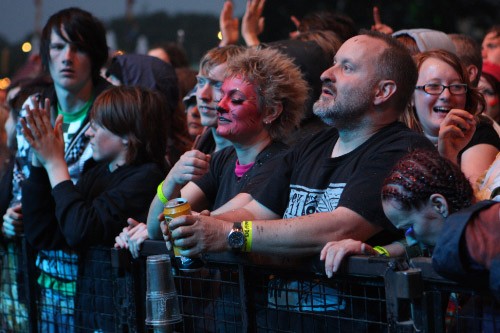
A new poll for The Royal National Institute for Deaf People's (RNID) Don't Lose The Music campaign, has been carried out among 2,711 music fans at the Glastonbury, Latitude, Rise, Reading and Leeds festivals.
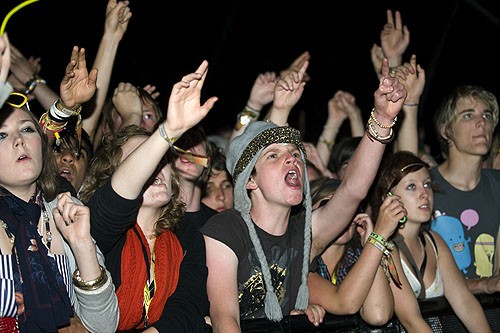
The study found that only 16% of the people they questioned hadn't suffered dullness of hearing or ringing in the ears after listening to loud music. This means that four out of five have also experienced warning signs that they may have put their hearing at risk through loud music sources, including night clubs, headphones, and home stereo systems.
Half of the festival goers questioned had also experienced pain in their ears while listening to loud music, a good sign the campaign says that the loud music is damaging their hearing. Yet only 17% had ever taken steps to protect their hearing such as by turning the music down, stepping away from speakers and taking regular breaks.
Emma Harrison, from the campaign, said: "These results issue a stark warning about the UK's future hearing health. Volume levels at festivals can reach levels over 110 decibels - that's the same as a jet plane taking off. Repeated listening at this volume will cause premature hearing loss."
It is worth pointing out that the decibel range is that high immediately in front of the speakers, in the pit area, and on stage. Figures on the Sound Advice website show that the drummer, and bass player of many bands often play on stage in levels in excess of 100 decibels.
However music levels have become regulated at festivals these days, far more so than they were in the past, and yet the numbers of deaf musicians who have spent nearly every night of the summer on stage, and veterans of the festival scene are not high, perhaps suggesting that it's not live music that's too loud.
Ms Harrison added: "Employees who work at music venues are protected by legislation but people who visit the same places are not."
 |
|
Ms Harrison also said, "In areas of public health such as smoking and alcohol we are provided with information that allows us to make an informed choice. This is not the case with over exposure to loud music."
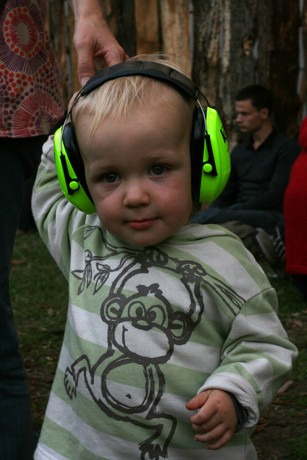
This is perhaps a little harsh, eFestivals has seen warning signs at the front of stages of various festivals this year, and noticed medical staff asking those at the barrier and parents with small children if they would like foam ear plugs.
The poll also reveals that music lovers at Leeds were the most likely to have experienced signs of damage to hearing, while those at Glastonbury were more likely to take steps to protect it. This is certainly what eFestivals has noticed with a good percentage of fans on the front barriers at The Pyramid, Other and John Peel stages all wearing ear plugs.
Although the study was conducted on people at festivals, eFestivals feels that very few festival goers constantly remain exposed to the highest decibel ranges for any length of time, and many follow the advice of The World Health Organisation which recommends that festival goers take regular breaks from the loudest areas to protect their hearing.
The World Health Organisation also warns that exposure to loud noise is the major cause of avoidable hearing loss, and sound levels of more than 85 decibels will damage hearing over time. The RNID said that shouting to be heard by a person standing two metres away is a good sign that the music was too loud.
Despite the poll results suggesting this is a big issue, after over forty years of rock music, there aren't large numbers of deaf music fans out there, and this would appear to be a little blown out of proportion.